
The landscape of American freight is about to undergo its most significant transformation. For years, the Tesla Semi has existed as a phantom of the future, a sleek prototype seen only in carefully curated pilot programs with companies like PepsiCo and DHL. However, as we enter the second quarter of 2026, the era of low volume experimentation is officially over. Tesla has confirmed that its dedicated Semi production facility in Sparks, Nevada, is now transitioning into scaled production, marking a pivotal moment for both the company and the global logistics industry.
The sheer scale of the Nevada facility is difficult to overstate. Located on Electric Avenue adjacent to the original Gigafactory Nevada, the new 1.7 million square foot building has been engineered specifically for the vertical integration of Class 8 heavy duty trucks. Unlike the makeshift assembly lines used for the initial pilot units, this factory utilizes high levels of automation and advanced manufacturing techniques developed during the Model Y and Cybertruck ramps. The goal is simple but audacious: to move from producing hundreds of trucks to producing tens of thousands.
Scaling Targets: 2026 and 2027 Projections
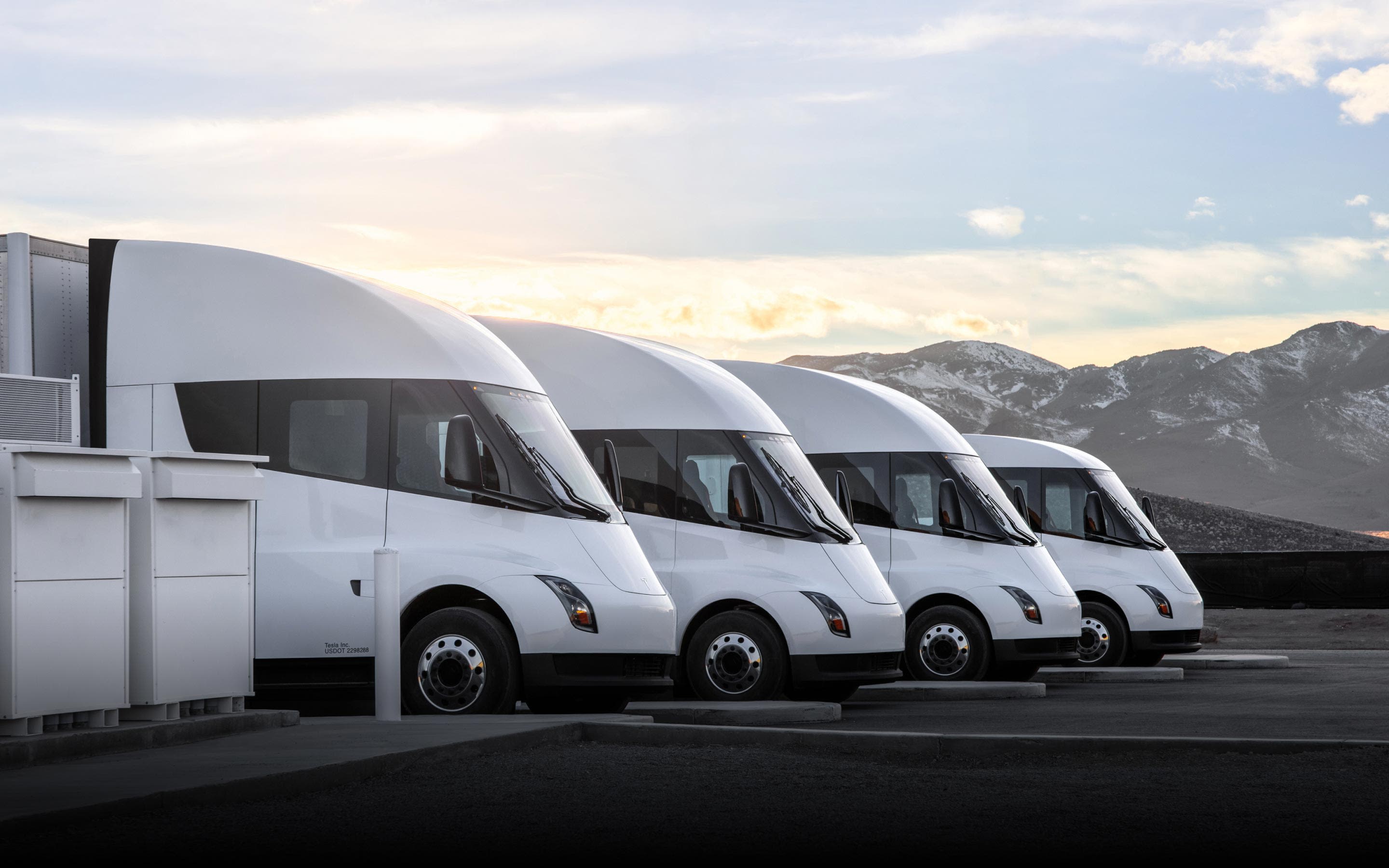
The ramp up schedule for the Tesla Semi is aggressive, mirroring the trajectory seen in Tesla's passenger vehicle programs but tailored for the complexities of heavy machinery. For the remainder of 2026, the company is targeting a production run that will see several thousand units delivered to waitlisted customers. Analysts suggest that if the Q2 scale up proceeds without significant bottlenecks in the 4680 battery cell supply, Tesla could realistically deliver between 5,000 and 10,000 units by the end of the year. This initial wave is primarily focused on fulfilling backorders from early corporate partners who have been testing the truck for nearly four years.
Looking toward 2027, the volume is expected to jump exponentially. Management has stated that the Nevada facility is designed for an ultimate annual capacity of 50,000 units. To reach this, the 2027 production target is set at approximately 25,000 to 35,000 trucks. Achieving this volume would make Tesla one of the largest manufacturers of Class 8 trucks in North America, rivaling established incumbents like Freightliner and PACCAR. The ability to scale to these numbers depends heavily on the completion of the Megacharger network, which is the necessary umbilical cord for the Semi's survival on long haul routes.
The Economics of the Semi: Margins and Revenue
From a financial perspective, the Tesla Semi represents a massive new revenue vertical. While official pricing has been adjusted from the original 2017 estimates, market analysts expect the Long Range 500 mile variant to command a price point between $250,000 and $300,000. Even with a conservative estimate of 30,000 units sold in 2027 at an average selling price of $275,000, the Semi program alone could generate upwards of $8.25 billion in annual revenue. This does not include the recurring revenue from Megacharging fees and potential software subscriptions for autonomous driving features.
Perhaps more important than top line revenue is the potential for industry leading margins. Traditionally, the trucking industry operates on razor thin margins, but Tesla's vertical integration provides a unique advantage. By manufacturing their own battery packs, drive units, and software in house, Tesla aims for gross margins on the Semi that could eventually exceed 20 percent. While initial margins in 2026 will be weighed down by the costs of the factory ramp, the efficiency of the "scaled production" phase in Q2 is designed to drive those costs down rapidly. The high price of diesel and the increasing regulatory pressure for zero emission fleets make the total cost of ownership (TCO) for the Tesla Semi highly attractive, allowing Tesla to maintain premium pricing while saving fleet operators money.
Tesla Semi Technical Specifications
- Drive Power: Up to 800 kW (approx. 1,072 horsepower) via three independent motors.
- Energy Consumption: Verified at 1.7 kWh per mile fully loaded at 82,000 lbs GCW.
- Range Options: Standard Range (325 miles) and Long Range (500 miles).
- Fast Charging: 60% recovery in 30 minutes via 1.2 MW Megawatt Charging System (MCS).
- Curb Weight: Under 20,000 lbs for Standard; approx. 23,000 lbs for Long Range.
Technical Innovations and Payload Efficiency
The technical foundation of the Semi is its tri motor drivetrain, which borrows heavily from the Plaid performance architecture. Two of the three motors are dedicated to torque and acceleration, while one motor is optimized for constant speed highway cruising. This configuration allows the truck to maintain highway speeds even on steep grades, a feat that traditional diesel engines struggle to replicate without significant fuel loss. The inclusion of an Electric Power Take Off (ePTO) system capable of up to 25 kW also allows the truck to power refrigerated trailers or specialized equipment directly from its massive battery pack.
A major point of contention in the trucking world has always been the weight of the batteries and its impact on payload. Tesla has managed to keep the curb weight of the 500 mile Long Range variant at approximately 23,000 pounds. Given the 82,000 pound Gross Combination Weight (GCW) limit allowed for electric trucks, this leaves a payload capacity of roughly 59,000 pounds. For many common freight types, such as snacks, beverages, and general retail goods, this is more than sufficient. The efficiency of 1.7 kWh per mile is a landmark achievement, effectively providing the equivalent of nearly 20 miles per gallon when compared to the 6 to 8 miles per gallon seen in modern diesel rigs.
Autonomy and the Future of Freight
While the hardware is impressive, the software is where the long term value lies. Every Semi rolling off the Nevada line is equipped with the latest suite of cameras and the Hardware 4 (or 5) computer. While full autonomy for Class 8 trucks is still navigating a complex regulatory environment, features like "Convoying" are expected to be major selling points. Convoying allows a lead truck driven by a human to be followed closely by several autonomous Semis, drastically reducing aerodynamic drag and labor costs for long distance hauls.
As the Q2 scale up progresses, the visibility of the Tesla Semi on American roads will shift from a rare sighting to a common occurrence. The factory in Sparks is not just building a truck; it is building a new standard for how goods are moved across the continent. With high volume production now a reality, the transition to sustainable transport has finally found its heavy duty anchor. The next 18 months will determine if Tesla can do for the shipping industry what it has already done for the passenger car market: make the old technology look obsolete overnight.
