The fight against vector borne diseases has reached a historic turning point in South America. For decades, the primary weapon against the Aedes aegypti mosquito has been the widespread application of chemical insecticides. However, as these insects have developed increasing resistance to traditional sprays, the incidence of dengue fever, zika, and chikungunya has continued to climb. Today, a biological solution developed by the biotechnology firm Oxitec has proven that we can fight biology with biology. Recent pilot programs in Brazilian municipalities have reported a staggering 96 percent reduction in the local populations of the disease carrying Aedes aegypti mosquito.
This achievement is not merely a localized success but a proof of concept for a global health revolution. Brazil has long been at the epicenter of the dengue crisis, with millions of cases reported annually that strain the public health infrastructure. By targeting the reproductive cycle of the mosquito itself, Oxitec has bypassed the limitations of chemical interventions. The results from the city of Indaiatuba and the state of Mato Grosso have demonstrated that this technology is both scalable and highly effective in dense urban environments where traditional mosquito control often fails to reach hidden breeding grounds.
The Science of Self Limiting Genetics
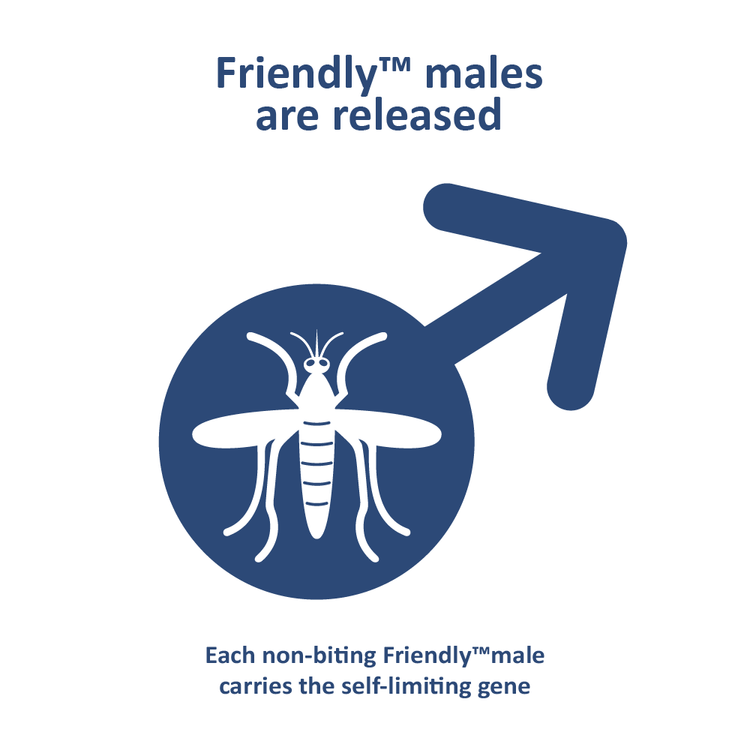
The core of Oxitec technology lies in a specialized genetic trait referred to as the self limiting gene. Unlike older methods that used radiation to sterilize insects, which often left them too weak to compete for mates, Oxitec uses precision genetic engineering to produce what they call Friendly mosquitoes. These are male mosquitoes that carry a specific protein which prevents their female offspring from surviving to adulthood. This is a critical distinction because only female mosquitoes bite and transmit diseases. The males are entirely harmless to humans and feed only on nectar.
When these Friendly males are released into a neighborhood, they seek out wild females to mate. The resulting eggs carry the self limiting gene. While the male offspring from these unions survive and continue to carry the gene to the next generation, the female offspring die during the larval or pupal stage. Because the female population is the engine of reproduction and the vector for disease, their disappearance leads to a rapid and dramatic collapse of the total mosquito population. This process is highly targeted, affecting only the Aedes aegypti species and leaving beneficial insects like bees and butterflies completely untouched.
The precision of this method is further enhanced by a fluorescent marker gene. This allows scientists to track the progress of the program in real time. By collecting eggs from the field and examining them under a specific light, researchers can see exactly how many mosquitoes in the wild are descendants of the Oxitec males. This level of data allows public health officials to adjust release rates based on the actual suppression levels observed on the ground, ensuring maximum efficiency of the biological intervention.
The Statistics of Success in Brazil
The data emerging from the Brazilian trials is nothing short of revolutionary. In several high risk neighborhoods, the targeted suppression of Aedes aegypti reached 96 percent within just a few months of the initial release. This level of control is far superior to the 30 to 50 percent reduction typically seen with high intensity insecticide spraying. Furthermore, the suppression remained consistent over time, preventing the seasonal spikes in mosquito activity that usually coincide with the rainy season in Brazil.
In the city of Indaiatuba, where the program has been particularly well documented, the reduction in mosquito numbers was accompanied by a significant drop in reported dengue cases. Local health officials noted that the biological approach reached mosquitoes inside homes, in gutters, and in small containers of water that are often missed by truck mounted sprayers. The cost effectiveness of this system is also becoming apparent. By preventing outbreaks before they start, municipalities can save millions in hospital costs and lost productivity, proving that genetic control is a viable economic strategy for developing nations.
Oxitec Friendly Technology Highlights
- Targeted Species: Focuses exclusively on Aedes aegypti, the primary vector for Dengue and Zika.
- Self Limiting Gene: Prevents female offspring from reaching maturity while allowing males to survive.
- Fluorescent Tracking: Integrated markers allow for precise monitoring of the wild population impact.
- Chemical Free: Provides an environmentally friendly alternative to toxic organophosphates.
- Proven Efficacy: Consistent 90 plus percent reduction in wild mosquito populations across multiple climates.
Expansion and Other Projects
While the success in Brazil has garnered international headlines, Oxitec is not stopping with a single mosquito species. The company is actively expanding its portfolio to address other major threats to global health and food security. One of the most significant projects currently under development involves the Anopheles stephensi mosquito. This species is an invasive malaria vector that has begun to spread across Africa and parts of Asia. Unlike other malaria mosquitoes, this species thrives in urban settings and is highly resistant to insecticides, making it a perfect candidate for the Friendly genetic technology.
In addition to public health initiatives, Oxitec is applying its genetic platform to agriculture. The Fall Armyworm, a devastating pest that destroys maize and other crops across Africa and the Americas, is currently being targeted by a similar self limiting program. By reducing the reliance on chemical pesticides in agriculture, Oxitec aims to improve crop yields while protecting the local ecosystems from chemical runoff. These agricultural projects are essential for the future of food security in a world where climate change is shifting the geographical range of traditional pests.
The Road to Elimination
The ultimate goal of Oxitec and its partners is the complete elimination of disease carrying mosquitoes from targeted regions. This is not about the extinction of all mosquitoes, as there are thousands of species that do not affect humans. Instead, it is about the surgical removal of the few invasive species that have become adapted to human cities and act as bridges for deadly viruses. The strategy involves a transition from temporary suppression to long term regional eradication through sustained release programs.
To achieve this, Oxitec has developed the Just Add Water technology. This system uses easy to deploy egg boxes that can be distributed by local community members rather than specialized scientific teams. These boxes contain the dormant eggs of Friendly mosquitoes and a nutrient pack. Once water is added, the males hatch and begin their mission. This decentralized approach allows for the coverage of massive geographic areas, including remote villages and sprawling urban slums that were previously unreachable. The plan for the future is to integrate these genetic tools into standard public health toolkits alongside vaccines and improved sanitation.
Looking toward the next decade, the integration of artificial intelligence and satellite imagery will allow Oxitec to predict mosquito outbreaks before they happen. By deploying Friendly mosquitoes preemptively based on weather patterns and environmental data, we can create a biological firewall that prevents viruses from ever gaining a foothold in the human population. The success in Brazil is the first chapter in a story that could end with the global eradication of dengue fever and many other ancient scourges that have plagued humanity for centuries.
Public Perception and Safety
Despite the scientific clarity of the program, Oxitec has faced hurdles regarding public perception of genetically modified organisms. However, the transparent nature of the Brazilian trials has done much to alleviate these concerns. Because the Friendly mosquitoes do not persist in the environment once releases stop, the technology is inherently safe and reversible. There is no risk of the genes jumping to other species, and the mosquitoes themselves are non toxic to predators like birds or bats that might eat them. The overwhelming support from the Brazilian communities involved in the trials suggests that when people see a 96 percent reduction in the pests that make their children sick, the benefits of the technology far outweigh any lingering fears about genetic engineering.
As we move into 2027 and beyond, the data from Brazil will serve as the gold standard for regulatory bodies around the world. The combination of genetic precision, community engagement, and undeniable statistical success has paved the way for a cleaner, safer, and more sustainable method of disease control.
